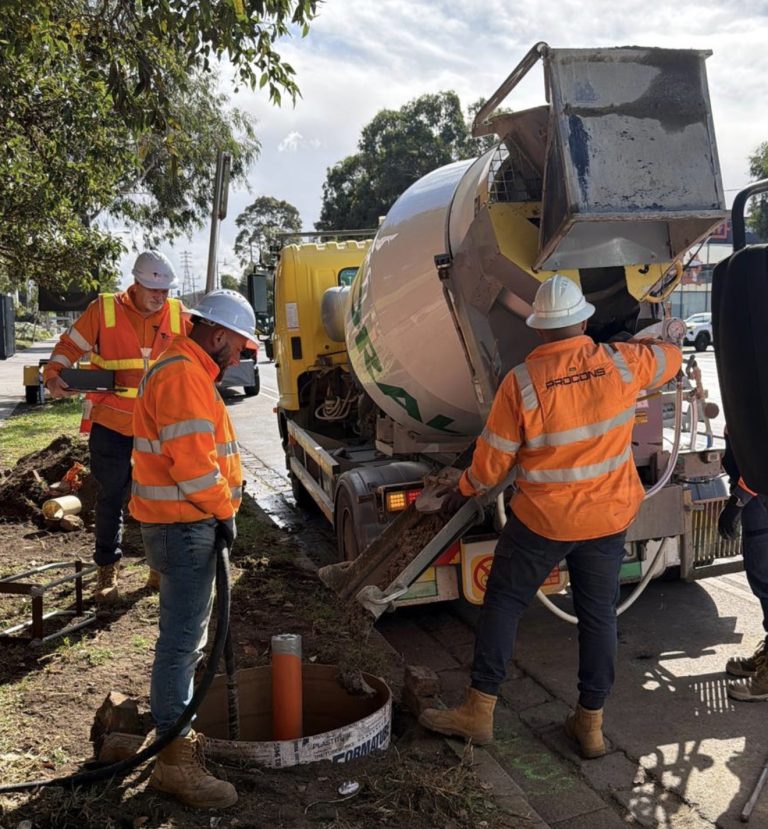
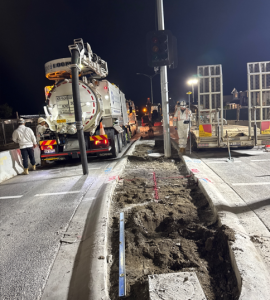
Non‑Destructive Digging (NDD) is a critical method used to safely expose underground services without damaging them. By using pressurised water or air combined with vacuum extraction, NDD allows contractors to locate and expose assets accurately while maintaining their integrity.
What Is Non‑Destructive Digging?
Non‑Destructive Digging, sometimes referred to as hydro excavation or vacuum excavation, is a controlled excavation technique that removes soil without the use of mechanical digging tools such as excavators, picks, or jackhammers.
NDD is commonly used to:
- Expose existing underground services
- Confirm asset locations prior to excavation
- Work safely in congested service corridors
- Perform potholing and service verification
This method significantly reduces the likelihood of service strikes and asset damage.
Why Asset Protection Is Critical
Underground assets are essential to public safety and service continuity. Striking or damaging them can lead to:
- Serious injury or fatalities
- Service outages to homes, businesses, or critical infrastructure
- Environmental damage
- Project delays and cost overruns
- Regulatory breaches and legal liability
Even minor damage to services such as fibre optic cables or protective sheathing can lead to long‑term failures and expensive repairs.
NDD provides a safer alternative by removing soil while protecting the asset itself.
Key Benefits of Non‑Destructive Digging
1. Reduced Risk of Asset Damage
Unlike mechanical excavation, NDD allows services to be exposed gradually and precisely.
- Minimises the risk of cutting, crushing, or over‑stressing assets
- Particularly important for fragile services such as fibre optics and gas lines
- Helps avoid costly emergency repairs
2. Improved Safety Outcomes
NDD significantly improves site safety by reducing the chance of:
- Electrical shock
- Gas leaks or explosions
- Sudden service failures during excavation
This is especially important when working near high‑risk assets, such as high‑voltage electrical cables or pressurised pipelines.
3. Greater Accuracy in Asset Identification
Underground service plans are not always accurate. NDD allows contractors to:
- Physically confirm asset location, depth, and alignment
- Resolve discrepancies between drawings and actual conditions
- Update project records and designs based on verified information
This accuracy reduces uncertainty before major excavation works begin.
4. Compliance with Industry and Safety Requirements
Best practice construction and infrastructure projects require:
- Careful identification of existing services
- Risk mitigation measures to protect assets
- Demonstrated compliance with WHS obligations
Using NDD helps meet these expectations and aligns with safe work method statements (SWMS) and asset owner requirements.
5. Reduced Project Delays and Costs
While NDD may appear slower than mechanical digging, it often saves time and money by:
- Preventing unplanned service strikes
- Avoiding shutdowns and emergency responses
- Reducing rework and redesign
- Maintaining project schedules
In many cases, a single service strike can cost more than implementing NDD across an entire project area.
NDD in High‑Risk and Congested Areas
NDD is particularly valuable in:
- Urban environments with multiple overlapping services
- Existing substations and electrical infrastructure
- Live construction sites with limited access
- Near buildings, footings, and foundations
Its precision allows excavation to be carried out in tight spaces without undermining surrounding structures.
Integration with Project Planning and Hold Points
Non‑Destructive Digging is often used as part of formal project control measures, including:
- Pre‑excavation verification
- Identified hold points before bulk digging
- Engineering approvals based on exposed services
- Client and asset owner sign‑off prior to proceeding
This structured approach ensures risks are identified and controlled before work progresses.
Protecting Assets, People, and Projects
NDD is not just a digging technique — it is a risk management and asset protection strategy. It demonstrates due diligence, professionalism, and a commitment to safety.
For clients, the use of NDD provides:
- Confidence that existing assets are protected
- Reduced exposure to delays and liabilities
- Assurance that work is carried out responsibly and safely
Conclusion: A Critical Tool in Modern Construction
Non‑Destructive Digging has become an essential practice when working around existing underground services. By allowing assets to be safely exposed, verified, and protected, NDD plays a vital role in preventing damage, protecting workers and the public, and ensuring projects are completed efficiently and compliantly.
In any project where underground assets are present, NDD is a critical first step before excavation — not an optional extra.