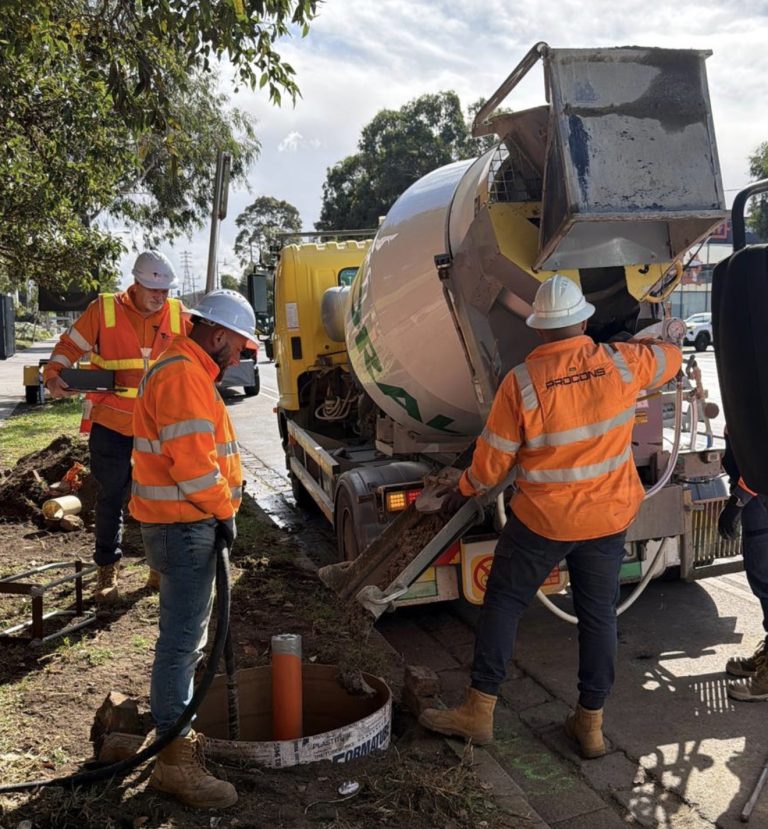
In Victoria’s civil and electrical infrastructure sector, every project balances two competing pressures: safety and cost. Developers and builders often face tight budgets, strict timelines, and increasing regulatory requirements. But when cost‑cutting leads to shortcuts, the result is almost always the same — non‑compliant work, safety risks, project delays, and expensive rework.
For contractors like PROCONS, compliance isn’t just a box to tick. It’s the foundation of safe, reliable, long‑lasting infrastructure.
Safety Isn’t Optional — It’s Engineered Into the Design
Every approved design, drawing, and specification exists for a reason. Engineers, councils, and electrical designers create these documents to ensure:- correct trench depths
- compliant cable routes
- safe separation from other services
- proper pit and conduit placement
- stable foundations for lighting and poles
- correct jointing and termination methods
- compliant reinstatement
- long‑term asset protection
The Hidden Cost of Cutting Corners
Cheap work often looks “fine” on the surface — until the failures begin. Common issues caused by non‑compliant construction include:- premature cable failure
- water ingress into joints
- overheating due to incorrect termination
- damaged conduits from shallow trenching
- unstable lighting poles
- trip hazards from poor reinstatement
- subsidence in footpaths and roadways
- electrical faults and outages
- rejected council inspections
- NCRs (Non‑Conformance Reports)
- full sections needing to be re‑dug or re‑laid
Compliance Protects Both Safety and Budget
Following approved designs isn’t just about meeting regulations — it’s about protecting the client’s investment. Proper compliance ensures:- safer public spaces
- reliable underground electrical networks
- reduced maintenance and call‑outs
- fewer project delays
- longer asset lifespan
- predictable project costs
- smoother council approvals
- reduced liability for developers and builders
Victorian Regulations Are Clear — and Strict
Projects must comply with:- Energy Safe Victoria requirements
- AS/NZS 3000
- council engineering standards
- developer construction packages
- electrical design drawings
- civil plans and specifications
- ITS and public lighting requirements
- failed audits
- stop‑work orders
- fines
- mandatory rework
- delayed handovers
- increased insurance exposure
Integrated Civil + Electrical Delivery: The PROCONS Advantage
One of the biggest causes of non‑compliance is miscommunication between multiple contractors. PROCONS eliminates this risk by delivering both civil and electrical works under one contractor, ensuring:- trenching matches electrical requirements
- reinstatement meets council standards
- cable installation follows approved drawings
- pits and conduits are placed exactly as designed
- jointing and termination are done correctly
- testing and commissioning are completed properly
- documentation is accurate and complete
- no shortcuts, no conflicts, no rework
Conclusion: Safety vs Cost Isn’t a Choice — It’s a Strategy
In infrastructure, choosing “cheap” almost always means choosing unsafe and non‑compliant. Choosing compliant, quality‑focused contractors like PROCONS means:- safer installations
- fewer failures
- smoother approvals
- lower long‑term costs
- reliable infrastructure for the community