ITS Public Lighting Pole Standing Systems for Smart Infrastructure
Introduction
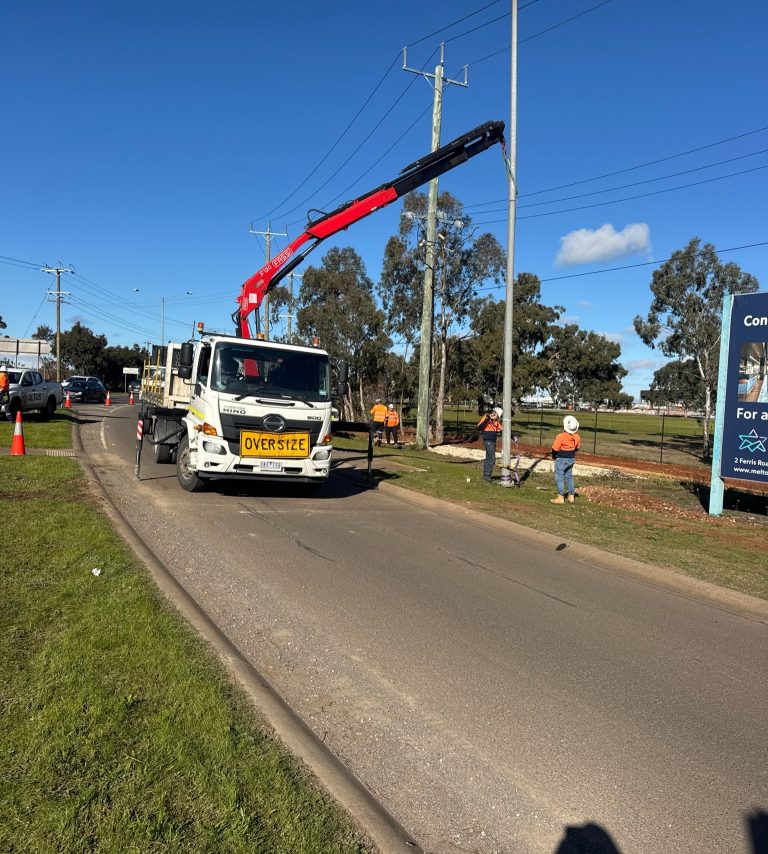
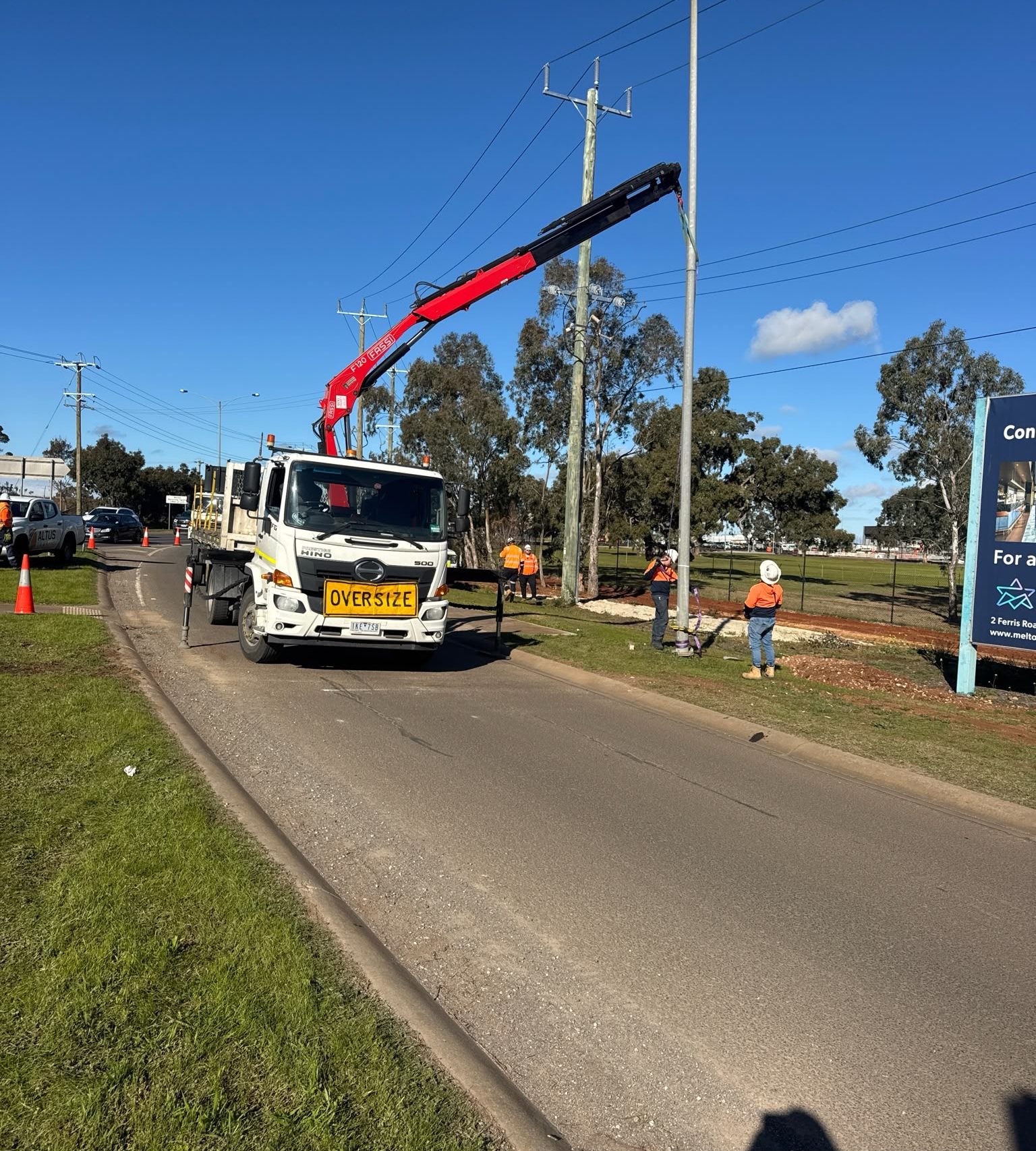
ITS public lighting systems are a critical component of modern transportation and urban infrastructure. At the core of these systems is the lighting pole standing structure, engineered to support smart lighting equipment, traffic devices, and communication technologies. Depending on site conditions and project requirements, ITS lighting poles are commonly installed using inground stub mounting or concrete foundation base mounting.
These installation methods ensure durability, safety, and long‑term performance for public lighting and intelligent transportation systems.
ITS Public Lighting Pole Standing Methods
Inground Stub Installation (Direct‑Embed Poles)
The inground stub method is one of the most widely used installation techniques for ITS public lighting poles.
Key Features:
- A steel stub or pole section is embedded directly into the ground
- Backfilled with concrete for strength and stability
- Eliminates the need for exposed base plates
- Suitable for highways, arterial roads, and open urban areas
Benefits:
- Cost‑effective installation
- Faster deployment compared to full foundations
- Clean visual appearance with no visible base
- Excellent resistance to wind and vibration
Inground stub installations are ideal where soil conditions allow and where a low‑profile, vandal‑resistant solution is required.
Concrete Foundation (Base‑Plated Poles)
In some locations, ITS public lighting poles are installed on reinforced concrete foundations using anchor bolts and a base plate.
Key Features:
- Pre‑cast or cast‑in‑place concrete footing
- Anchor bolt assembly secures the pole base
- Suitable for heavy equipment loads
Benefits:
- Preferred in poor soil conditions or high‑load areas
- Easier pole replacement or future upgrades
- Ideal for intersections, bridges, urban centers, and smart corridors
Concrete foundation mounting provides maximum flexibility and structural reliability, especially where multiple ITS devices are installed on a single pole.
Structural Design of ITS Lighting Poles
Whether installed using inground stubs or concrete foundations, ITS lighting poles are designed to support multiple technologies, including:
- LED street lighting fixtures
- CCTV and traffic surveillance cameras
- Traffic signal equipment
- Environmental and weather sensors
- 5G, IoT, and communication antennas
- Variable Message Signs (VMS)
Poles are manufactured using high‑strength steel or aluminum, with corrosion‑resistant finishes suitable for long‑term outdoor use.
Advantages of Modern ITS Pole Standing Systems
- Enhanced Road Safety through optimal lighting and real‑time monitoring
- Energy Efficiency using smart LED and adaptive controls
- Reduced Infrastructure Clutter by combining multiple systems on one pole
- Smart City Integration with future‑ready communication capabilities
- Long‑Term Cost Savings from durable materials and efficient installation methods
Typical Applications
- Highways and freeways
- Urban and suburban roadways
- Smart intersections and transport corridors
- Pedestrian crossings and shared zones
- Bridges, tunnels, and parking facilities
Both inground stub and concrete foundation poles are selected based on traffic load, soil conditions, equipment weight, and maintenance strategy.
Conclusion
ITS public lighting pole standing systems—whether installed via inground stubs or concrete foundations—form the foundation of smart, safe, and efficient transportation networks. Choosing the right installation method ensures structural integrity, ease of maintenance, and long‑term performance for public lighting and ITS deployments.
By integrating modern pole designs with intelligent technology, cities can future‑proof their infrastructure and deliver smarter mobility solutions.