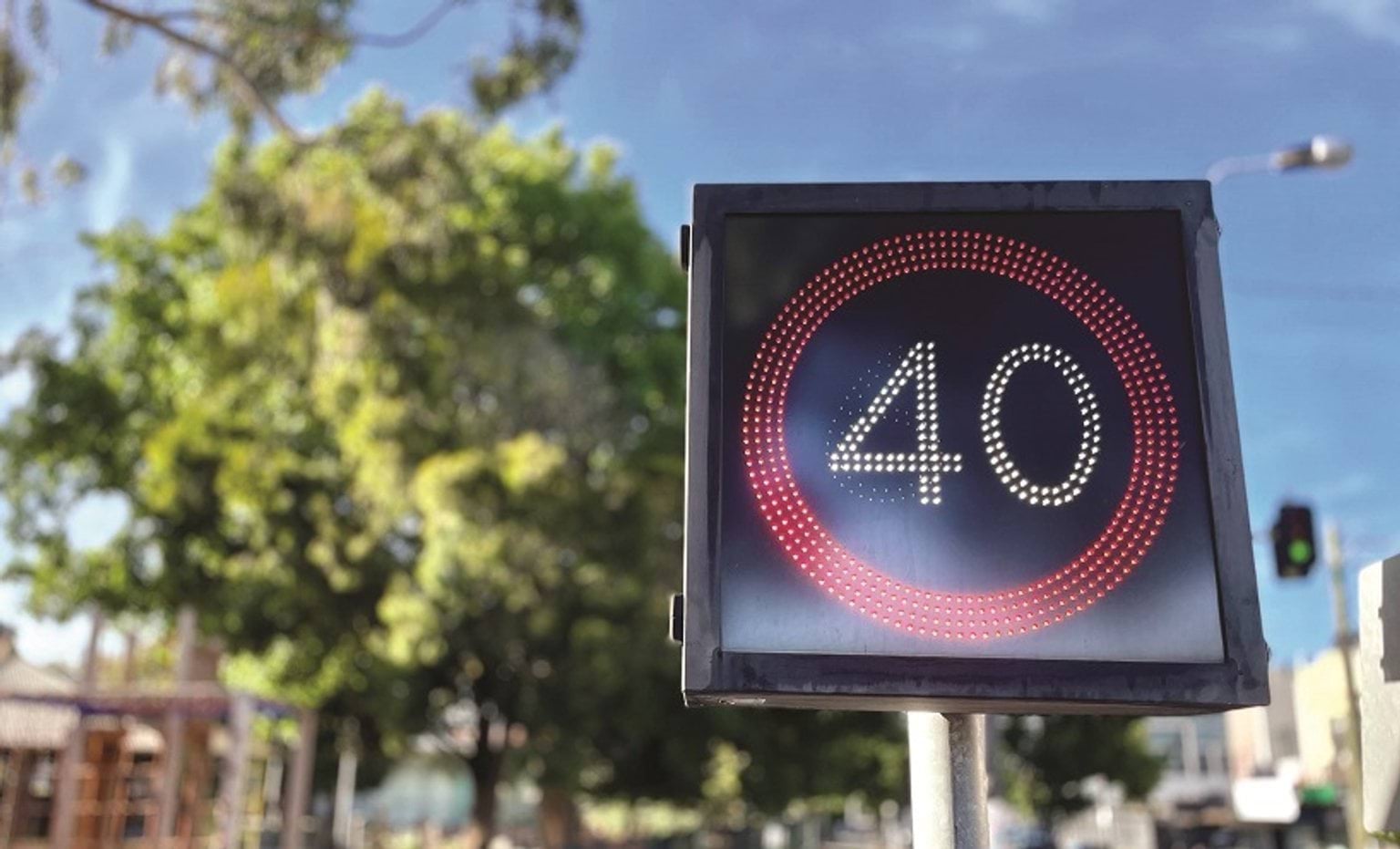
Electronic Speed Limit Signs (ESLs) are a critical component of Victoria’s modern road network. Used extensively on freeways and major arterial roads, ESLs allow speed limits to be adjusted in real time to respond to traffic conditions, incidents, roadworks, and weather events.
ESL installations must meet strict VicRoads (now Department of Transport and Planning – DTP) requirements to ensure safety, reliability, and compliance. This article explains what ESLs are, where they’re used, and what’s involved in compliant ESL installation across Victoria.
What Are Electronic Speed Limit Signs (ESLs)?
Electronic Speed Limit Signs are digitally controlled regulatory speed signs that can display different speed limits as required. Unlike static signs, ESLs are connected to traffic management systems and can be updated remotely.
In Victoria, ESLs are commonly installed on:
- Freeways and toll roads
- Managed motorways
- High‑volume arterial roads
- Incident‑prone or variable‑risk corridors
They play a key role in active traffic management and road safety strategies.
Why ESLs Are Used on Victorian Roads
VicRoads / DTP uses ESLs to improve safety and efficiency by allowing speed limits to change in response to real‑world conditions, including:
- Traffic congestion or crashes
- Roadworks and lane closures
- Weather events such as fog or heavy rain
- Peak‑hour traffic demand
- Emergency incidents
By reducing speeds dynamically, ESLs help lower crash severity, smooth traffic flow, and protect road workers and emergency responders.
VicRoads Requirements for ESL Installations
ESL installations in Victoria must comply with:
- VicRoads Traffic Engineering Manuals
- Australian Standards (including AS 1742 series)
- DTP electrical and ITS specifications
- Approved traffic management and safety standards
Installations are typically delivered as part of broader ITS (Intelligent Transport Systems) or motorway upgrade projects and must integrate with existing control systems.
Only approved and qualified contractors are permitted to install, connect, or commission ESL infrastructure on VicRoads‑managed roads.
Key Components of an ESL Installation
A typical ESL installation may include:
- Electronic speed limit sign faces
- Gantries or roadside poles
- Electrical supply and backup systems
- Communications infrastructure (fibre, wireless, or network integration)
- Controllers and cabinets
- Testing, commissioning, and integration with traffic control centres
Each installation must be engineered to ensure visibility, redundancy, and fail‑safe operation.
Safety and Traffic Management During Installation
ESL installations are often carried out on live roads with high traffic volumes, making safety a critical consideration.
Key requirements include:
- Approved Traffic Management Plans (TMPs)
- Night works or off‑peak scheduling where required
- Lane and shoulder closures
- Protection of workers and road users
- Coordination with VicRoads / DTP and traffic control centres
Failure to manage traffic safely during ESL works can create significant risk and non‑compliance issues.