VicRoads Variable Speed Limit Signs (VSLS): What They Are, How They Work, and Why They Matter
Variable Speed Limit Signs (VSLS) are a key component of Victoria’s modern road and freeway management network. Commonly used on major freeways, arterial roads, and within construction and maintenance zones, these electronic signs allow speed limits to be adjusted in real time to suit prevailing road conditions.
In Victoria, VSLS are implemented under frameworks developed by VicRoads, now operating within the Department of Transport and Planning (DTP). For contractors, traffic managers, and road users, understanding how VSLS function is essential for safety, consistency, and compliance across live road environments.
What Are Variable Speed Limit Signs (VSLS)?
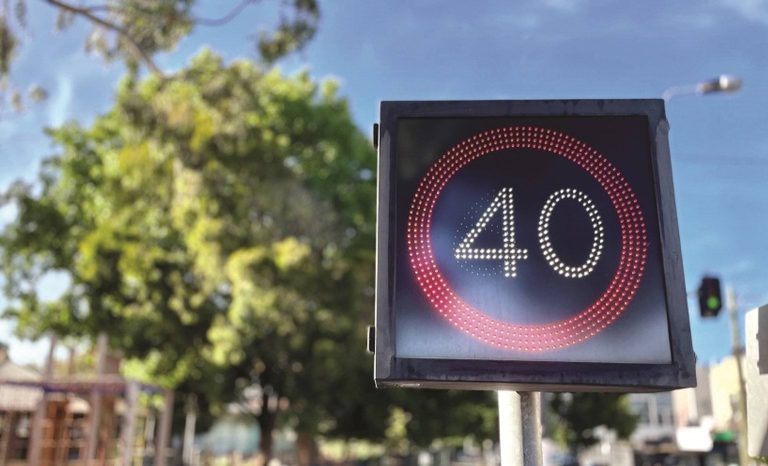
Variable Speed Limit Signs are electronic regulatory traffic control devices that display speed limits which can change dynamically. Unlike traditional fixed signs, VSLS allow road authorities to apply speeds that better reflect current conditions on the road network.
In Victoria, VSLS are commonly deployed as:
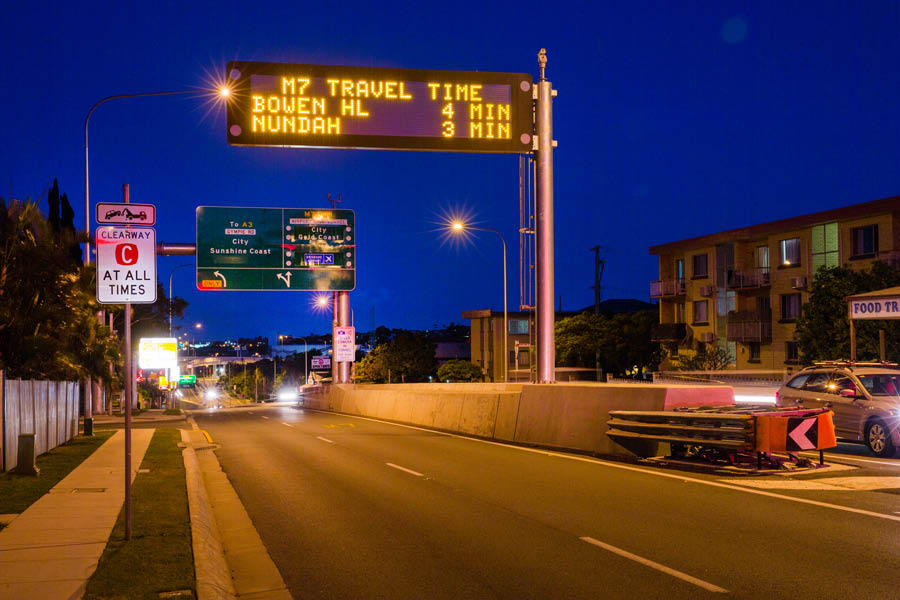
- Overhead gantry‑mounted signs on freeways
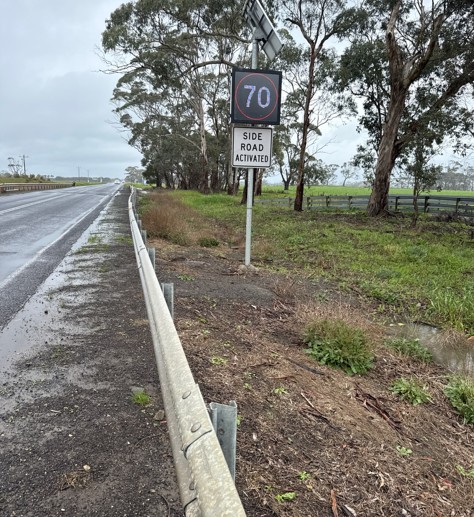
- Fixed roadside VSLS on selected arterial roads
- Trailer‑mounted electronic VSLS used in temporary traffic management and construction zones
Any speed displayed within a red circular border on a VSLS is a legally applicable speed limit and must be treated the same as a permanent static speed sign.
How VicRoads VSLS Systems Work
VicRoads VSLS form part of Victoria’s broader Managed Freeway and Smart Road systems. These systems combine traffic monitoring, communications infrastructure, and operational control to actively manage road conditions rather than relying on static signage alone.
Conditions That Influence Speed Changes
Speed limits displayed on VSLS may be adjusted in response to:
- Changes in traffic volume or congestion
- Incidents or lane availability changes
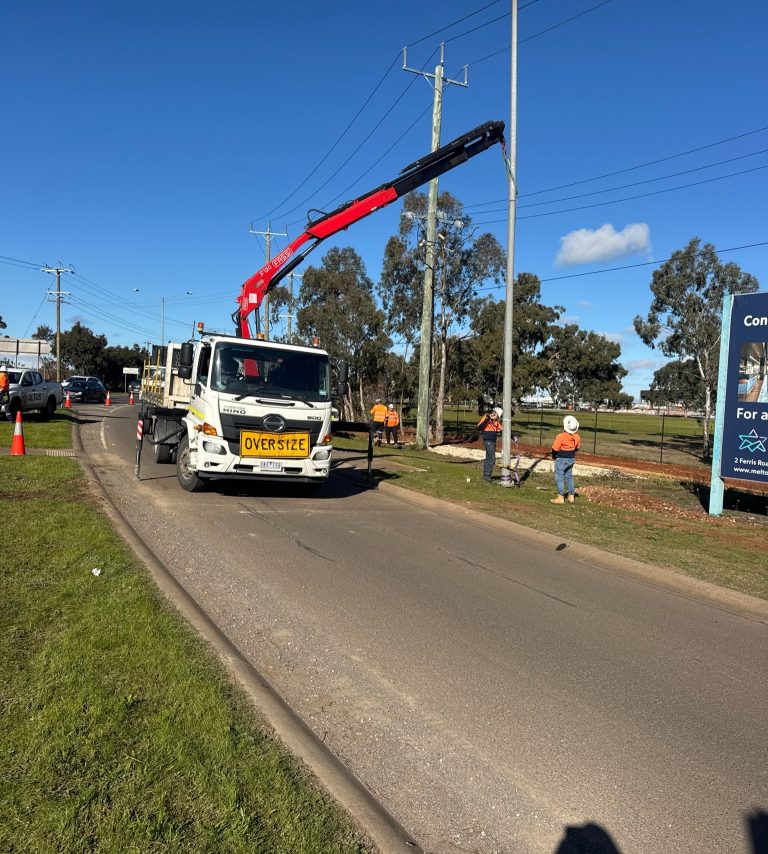
- Road works and worker exposure
- Weather conditions affecting visibility or road surface grip
- Planned traffic management activities
Information is gathered through vehicle detection systems, CCTV, environmental sensors, and traffic control centres. Speed updates can be deployed quickly across multiple signs to provide consistent and progressive guidance to drivers.
Regulatory Status of VSLS in Victoria
Within Victoria’s road network:
- Variable Speed Limit Signs are recognised as regulatory traffic control devices
- The displayed speed applies while it is active
- Drivers and road users are required to operate in accordance with the displayed limit
This regulatory status is critical for maintaining consistency and predictability, particularly on high‑speed roads and within work zones.
Why VicRoads Uses Variable Speed Limits
1. Improved Road Safety
VSLS play an important role in reducing risk by:
- Managing speed differences between vehicles
- Providing additional reaction time in changing conditions
- Reducing the severity of potential collisions
By aligning speed limits with real‑world conditions, VSLS contribute to a safer road environment for motorists, construction crews, and maintenance workers.
2. Better Traffic Flow and Network Performance
Rather than reacting after congestion forms, VSLS allow speed reductions to be introduced in advance. This helps:
- Minimise sudden braking and shockwave congestion
- Reduce stop‑start traffic conditions
- Maintain smoother, more predictable traffic flow
This approach is particularly valuable on Melbourne’s busy freeway corridors and major transport routes.
3. Safer and More Efficient Work Zones
Trailer‑mounted and temporary VSLS are widely used during road works across Victoria. These signs:
- Provide clear, highly visible speed guidance
- Reduce reliance on static temporary signage
- Allow speed changes without physically accessing live traffic lanes
Modern VSLS units used in Victoria are designed to integrate with approved traffic management systems and meet strict requirements for visibility, durability, and reliability.
VicRoads Standards and Compliance Requirements
Variable Speed Limit Signs installed or used on Victorian roads must comply with:
- VicRoads Speed Zoning Policy
- Traffic Engineering Manual (TEM)
- AS 1742 – Manual of Uniform Traffic Control Devices
- Relevant Austroads guidance on electronic and variable signage
Speed limits may only be set or altered by authorised road authorities, and all VSLS installations must meet requirements relating to location, visibility, brightness control, and operational reliability.
For contractors, this means VSLS must only be deployed as part of an approved Traffic Management Plan (TMP) and in accordance with project and authority conditions.
Common Misunderstandings About VSLS
“They’re only advisory.”
VSLS displaying a speed within a red ring are regulatory and must be adhered to while active.
“If the road looks clear, the speed doesn’t matter.”
VSLS are set based on network‑wide conditions, upcoming constraints, or safety considerations that may not be immediately visible.
“Temporary electronic signs don’t carry the same weight as permanent signs.”
Approved portable VSLS are treated the same as fixed regulatory speed signs when correctly deployed.
VSLS and PROCons
At PROCons, we recognise that traffic management is about more than compliance—it’s about creating safe, predictable environments for workers and the public alike.
A clear understanding of VicRoads Variable Speed Limit Signs is essential for:
- Developing compliant Traffic Management Plans
- Delivering road, civil, and utility projects safely
- Managing risk around live traffic
- Meeting client, authority, and contractual obligations
Correct use of VSLS supports safer worksites, clearer driver behaviour, and smoother project delivery.
Conclusion
VicRoads Variable Speed Limit Signs are a foundation of modern road management in Victoria. Whether permanently installed on freeways or temporarily deployed in construction zones, VSLS allow speed limits to reflect real‑world conditions and improve safety for everyone using the road network.
For road contractors and traffic professionals, understanding how VSLS operate—and how they fit into Victorian standards—is essential for delivering compliant, high‑quality outcomes.