Side Road Activated Speeds – SRAS: Improving Road Safety at Junctions
Side Road Activated Speeds – SRAS – are an increasingly effective traffic management solution designed to improve safety at junctions, intersections, and side roads. By dynamically responding to real traffic conditions, SRAS systems help reduce vehicle speeds only when risk is present, making them a smarter, more efficient alternative to permanent speed restrictions.
As road authorities and developers seek modern, data‑driven road safety solutions, Side Road Activated Speeds have become a key tool in reducing collisions while maintaining smooth traffic flow on main roads.
What Are Side Road Activated Speeds (SRAS)?
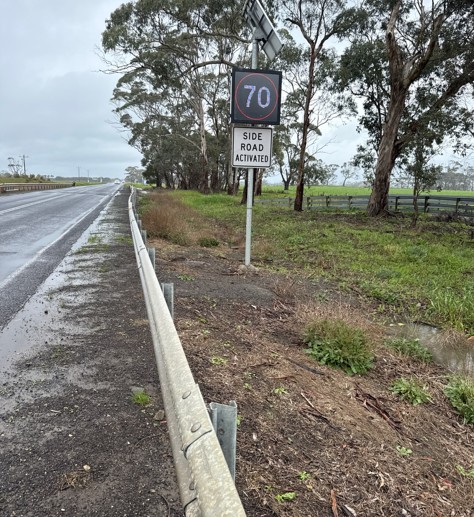
Side Road Activated Speeds (SRAS) are intelligent traffic systems that detect vehicles waiting or emerging from a side road and activate speed warnings or reduced speed limits on the main road. The system typically uses sensors, radar, or inductive loops to identify side‑road activity and then triggers:
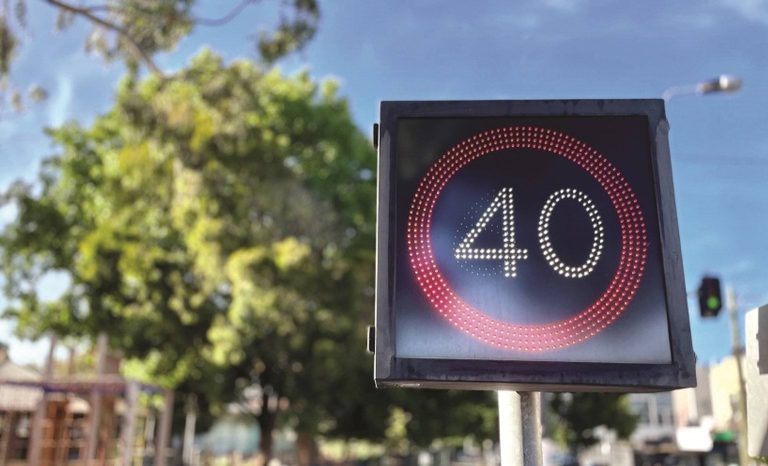
- Illuminated speed roundels
- Vehicle Activated Signs (VAS)
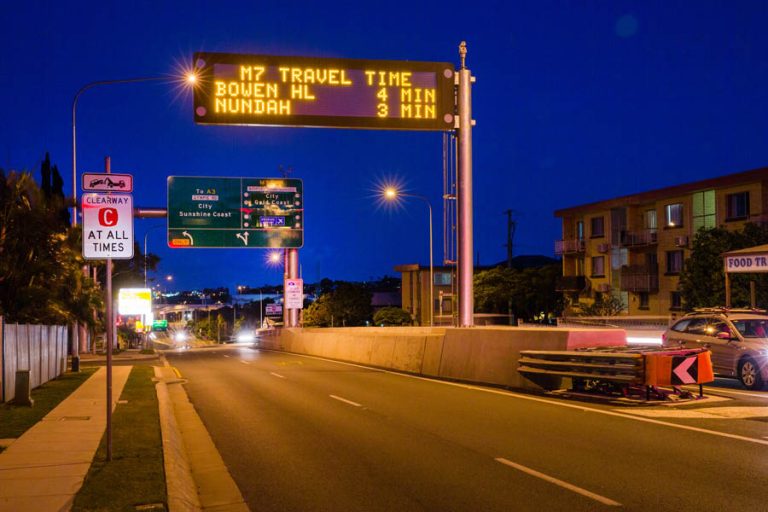
- Variable Message Signs (VMS)
- Temporary speed limit reminders
Unlike static signage, SRAS operates only when needed, ensuring drivers receive timely and relevant warnings.
Why Side Road Activated Speeds Are Important
Junctions and side roads are among the highest‑risk locations on road networks. Many collisions occur when vehicles exiting side streets misjudge the speed or distance of approaching traffic.
Side Road Activated Speeds directly address this issue by encouraging drivers on the main road to slow down at precisely the moment risk increases.
Key safety benefits include:
- Reduced collision severity through lower vehicle speeds
- Improved reaction times for main‑road drivers
- Safer gaps for side‑road vehicles to merge
- Enhanced visibility of junction hazards
By targeting behaviour rather than imposing constant restrictions, SRAS promotes better driver compliance and awareness.
How Side Road Activated Speeds Work
A typical Side Road Activated Speeds system follows a simple but effective process:
- Detection: Sensors identify a vehicle waiting or approaching from a side road
- Activation: Speed warnings or reduced speed displays are triggered on the main road
- Driver Response: Approaching drivers reduce speed
- Deactivation: Once the side‑road vehicle has cleared the junction, the system returns to standby mode
This dynamic activation ensures that speed reduction occurs only when a conflict is present, minimising unnecessary delays.
Benefits of Side Road Activated Speeds (SRAS)
1. Improved Road Safety
Lower approach speeds significantly reduce collision risk and injury severity at junctions.
2. Better Traffic Flow
Because SRAS only activates when needed, it avoids unnecessary congestion caused by permanent speed limits.
3. Increased Driver Attention
Activated signage has a stronger visual impact than static signs, improving driver awareness and compliance.
4. Cost‑Effective Solution
SRAS systems can often be deployed without major road reconstruction, making them a cost‑effective alternative to physical traffic calming.
5. Supports Vulnerable Road Users
Pedestrians, cyclists, and motorcyclists benefit from reduced speeds and increased driver attentiveness near side roads.
Common Applications of Side Road Activated Speeds
Side Road Activated Speeds are suitable for a wide range of environments, including:
- Residential streets joining arterial roads
- Rural junctions with limited visibility
- School zones and community areas
- Industrial or commercial access roads
- High‑speed roads with emerging traffic risks
They are particularly effective where speed‑related collisions have been identified but permanent speed reduction is not desirable.
SRAS vs Traditional Traffic Calming
| Traditional Measures | Side Road Activated Speeds |
|---|---|
| Always active | Only active when risk exists |
| Can frustrate drivers | High driver acceptance |
| May slow emergency vehicles | Minimal disruption |
| Often requires civil works | Can be installed quickly |
This makes SRAS an ideal choice for modern, data‑led traffic management strategies.
Future‑Focused Road Safety Technology
As transport networks continue to evolve, Side Road Activated Speeds align with broader intelligent transport systems (ITS) initiatives. They support safer roads while preserving efficiency—an increasingly important balance for growing cities and communities.
With proven effectiveness and strong public acceptance, SRAS solutions are fast becoming a standard feature in contemporary road safety design.
Conclusion
Side Road Activated Speeds (SRAS) offer a smart, targeted, and effective way to reduce vehicle speeds and improve safety at junctions. By activating only when side‑road traffic is present, SRAS delivers the right message at the right time—protecting all road users without unnecessary disruption.
For councils, developers, and road authorities seeking modern traffic calming solutions, Side Road Activated Speeds represent a reliable, future‑ready investment in safer roads.