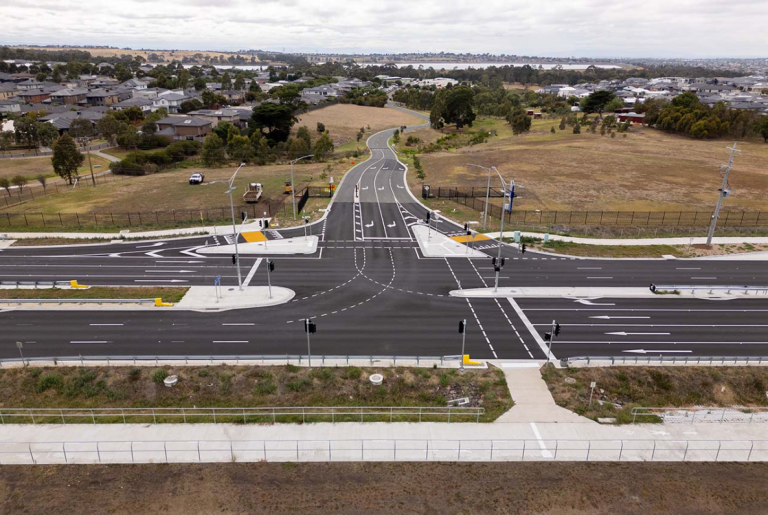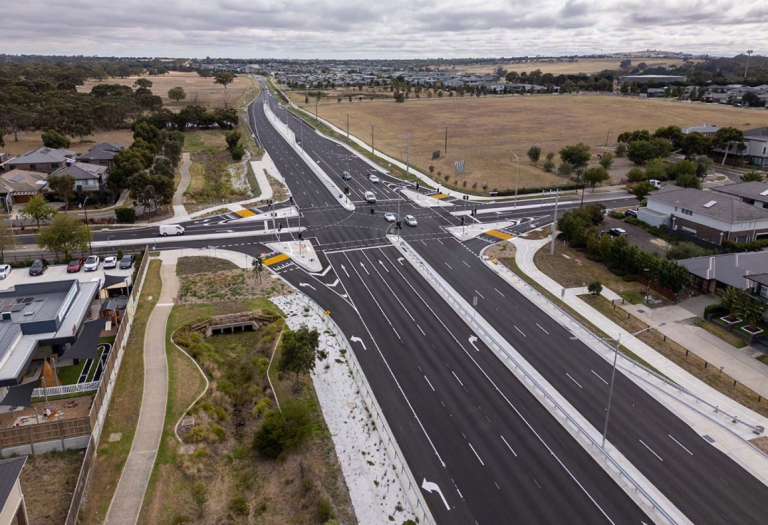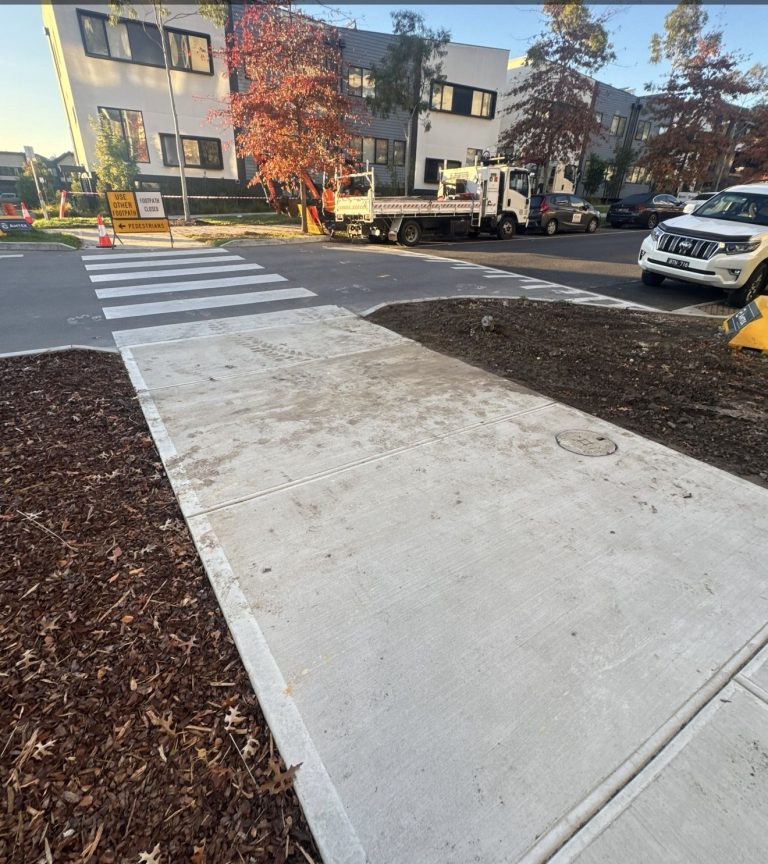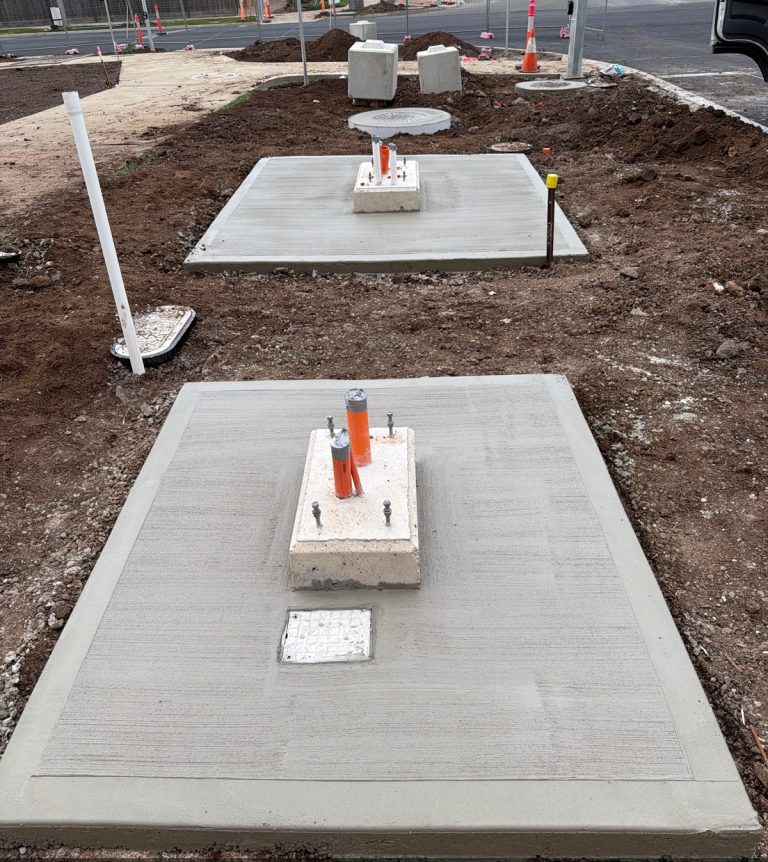
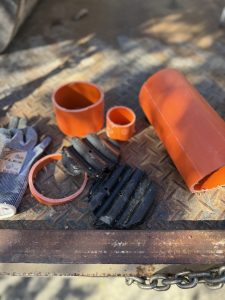
In the world of traffic signal infrastructure, quality is not just a preference—it’s a necessity. Every pit, conduit, and connection installed beneath plays a crucial role in safety, reliability, and long-term performance. When installation works are done correctly the first time, it reduces risk, prevents costly rework, and leaves a lasting impression of professionalism and pride in workmanship.
The Foundation of Reliable Infrastructure
Traffic signal pits and associated infrastructure form the backbone of signalised intersections. They house critical components such as cabling, detector loops, earthing systems, and communications lines. If installed poorly, even the most advanced signal systems can fail prematurely.
A high-quality installation ensures:
- Correct alignment and depth of conduits
- Adequate compaction around pits to avoid settlement
- Safe and accessible placement for maintenance crews
These fundamentals might seem simple, but overlooking any one of them can result in faults, delays, and safety hazards.
Why “First Time Right” Matters
Rework in civil and electrical infrastructure is expensive—not only in terms of cost, but also time, disruption, and reputation. Excavating a newly completed intersection to correct poorly installed pits can impact traffic flow, strain project budgets, and damage stakeholder trust.
Getting it right the first time delivers:
- Cost efficiency: Eliminates repeat labour, materials, and traffic control expenses
- Program certainty: Keeps projects on schedule and avoids delays
- Safety assurance: Reduces the likelihood of faults that could cause signal failures or accidents
- Client confidence: Demonstrates professionalism and reliability
When crews adopt a mindset of precision and accountability from the outset, the outcome is infrastructure that performs as intended from day one.
Doing It the Way It’s Supposed to Be Done
Standards, specifications, and best practices exist for a reason. Whether it’s local road authority requirements or national guidelines, these documents represent learned experience and proven methods.
Key aspects of doing the job properly include:
- Following approved drawings and specifications without shortcuts
- Using the correct materials and installation techniques
- Ensuring all measurements, levels, and clearances are accurate
- Conducting thorough inspections and testing before handover
Attention to detail is critical. For example, ensuring conduits enter pits at the correct heights or maintaining proper sealing can make the difference between a system that lasts decades and one that fails within years.
Pride in Workmanship Leaves a Lasting Impression
Beyond compliance and functionality, quality installation is about pride. A well-constructed signal pit—neatly aligned, cleanly finished, and properly labelled—reflects the professionalism of the crew behind it.
Stakeholders notice quality:
- Supervisors appreciate neat, compliant installations
- Clients value contractors who consistently deliver high standards
- The public benefits from infrastructure that works reliably and safely
Small details, such as tidy conduit runs, smooth concrete finishes, and properly secured covers, contribute to a strong overall impression. These details signal that the work has been carried out with care, not just completed to meet minimum requirements.
Building a Culture of Quality
Achieving consistently high standards requires more than technical knowledge—it requires the right mindset across the entire team. From supervisors to field crews, everyone must be committed to doing the job properly.
This culture is built through:
- Training and mentoring
- Clear expectations and accountability
- Encouraging workers to take ownership of their work
- Valuing quality over speed when necessary
When quality becomes the standard rather than the exception, projects run smoother and outcomes improve across the board.
Long-Term Benefits of Doing It Right
High-quality installations pay dividends over time. Properly installed traffic signal infrastructure requires less maintenance, experiences fewer faults, and delivers better lifecycle performance. This ultimately reduces costs for asset owners and minimises disruption to the public.
In contrast, poor-quality work often leads to:
- Frequent breakdowns and repairs
- Increased maintenance budgets
- Safety risks at intersections
- Damage to contractor reputation
The difference between these outcomes often comes down to the decisions made during installation.
Conclusion
Installing traffic signal pits and infrastructure is more than a construction task—it’s an essential responsibility that impacts safety, efficiency, and public confidence. By focusing on quality, following standards, and taking pride in every detail, crews can ensure the job is done right the first time.
When work is completed to a high standard, it doesn’t just function well—it stands as a lasting impression of professionalism, reliability, and excellence. And in an industry where safety and trust are paramount, that impression matters.
Electrical Contractors in Melbourne: Supporting Traffic Signals and ITS Infrastructure