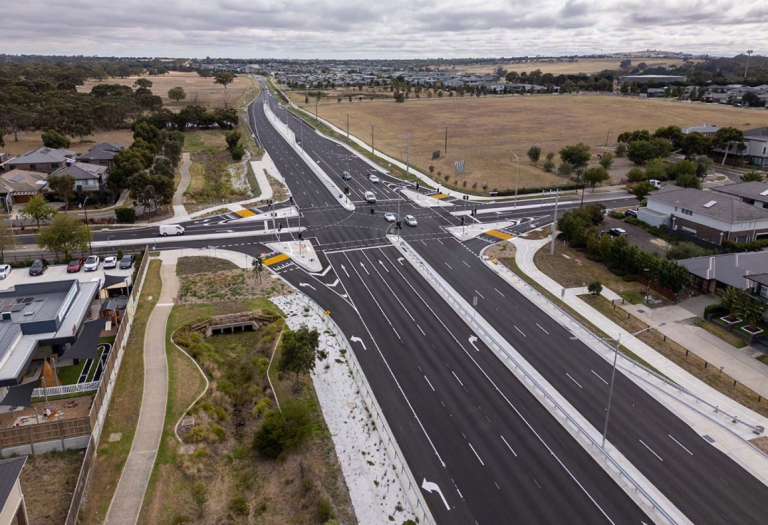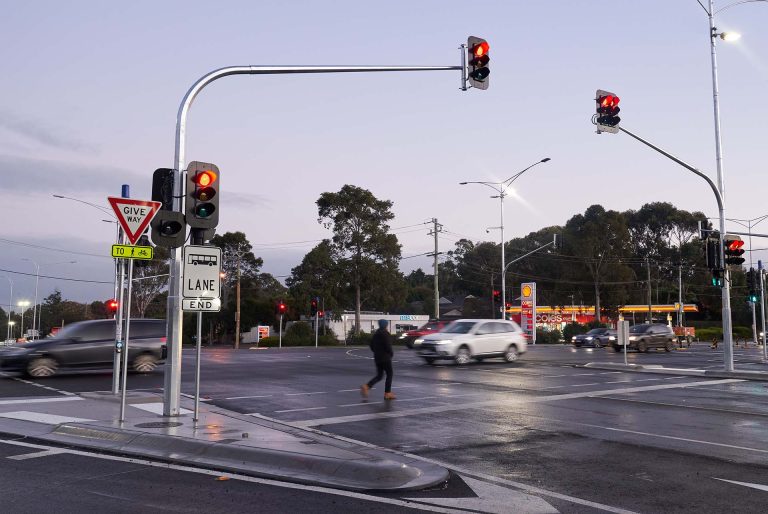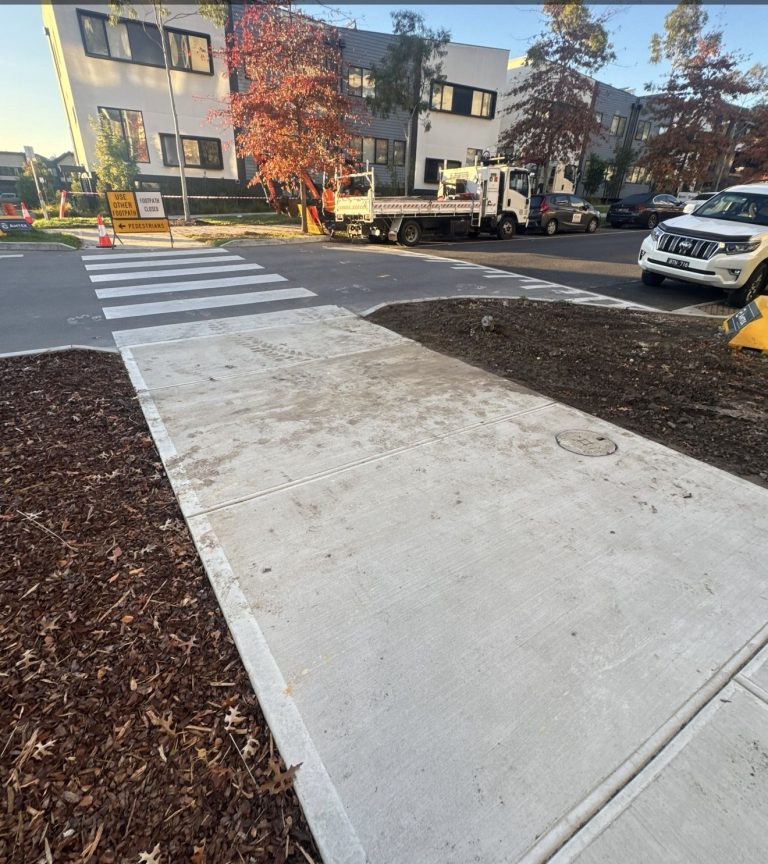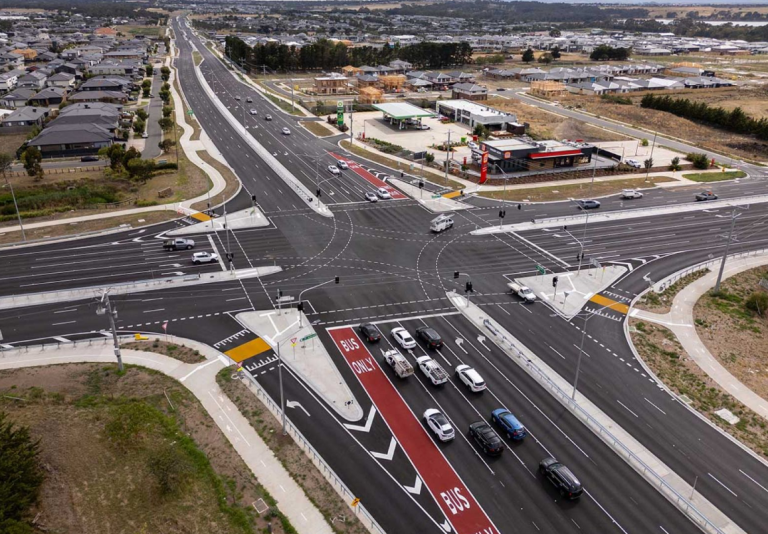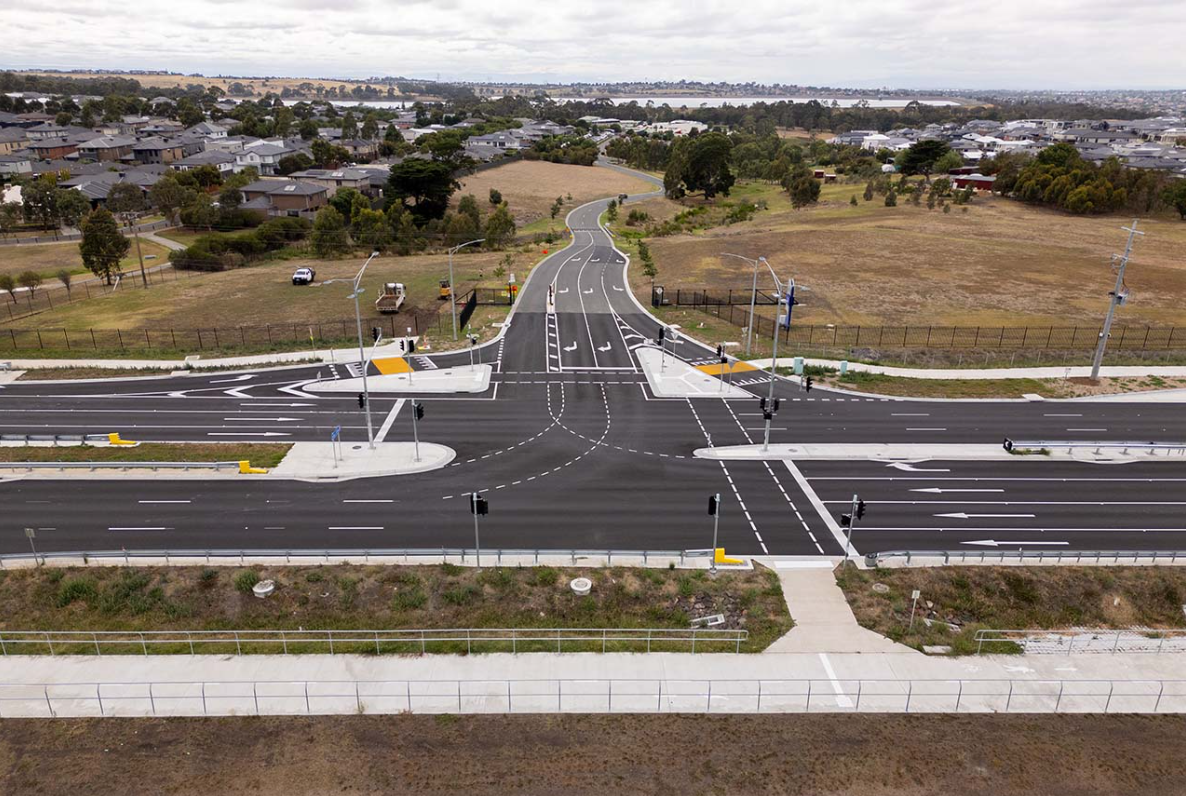
Traffic signal installation in Melbourne is a highly specialised process that combines civil construction, electrical systems and Intelligent Transport Systems (ITS). From new intersections to upgrades of existing road networks, every installation must meet strict compliance and safety standards.
For developers, councils and road authorities, understanding how traffic signals are installed helps ensure projects are delivered efficiently and built to last.
What is Traffic Signal Installation?
Traffic signal installation involves the complete construction and commissioning of a signalised intersection.
This includes:
- Civil infrastructure (pits, conduits, foundations)
- Electrical systems (wiring, controllers, power supply)
- ITS components (sensors, cameras, communications)
Each component must be carefully integrated to create a safe and functional traffic control system.
The Civil Works Behind Traffic Signals
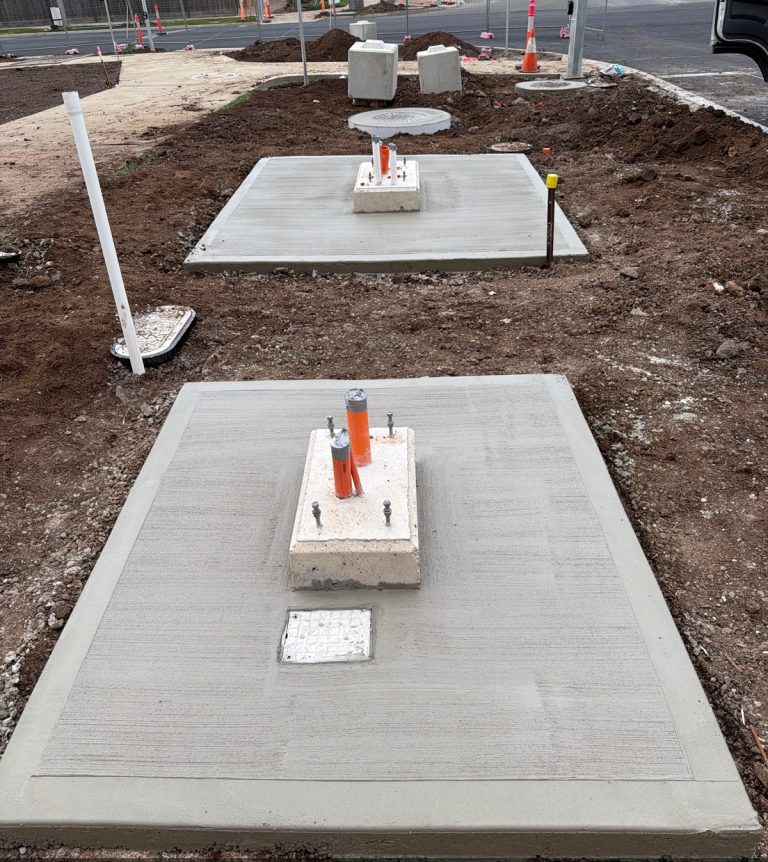
Civil works form the foundation of every traffic signal installation. Without proper civil construction, electrical systems cannot be installed or protected effectively.
Key Civil Activities:
- Excavation and trenching
- Conduit installation for cabling
- Construction of pits and access chambers
- Concrete footings for signal poles
- Road surface reinstatement
These works must be completed with precision to ensure durability and alignment with design specifications.
Electrical Installation and Integration
Once civil works are in place, electrical contractors install and connect all system components.
Electrical Scope Includes:
- Power supply installation
- Signal lantern wiring and terminations
- Installation of traffic signal controllers
- Communication and fibre connections
- Testing and commissioning
Electrical works ensure that the system operates reliably and safely in real-world conditions.
ITS Integration in Modern Installations
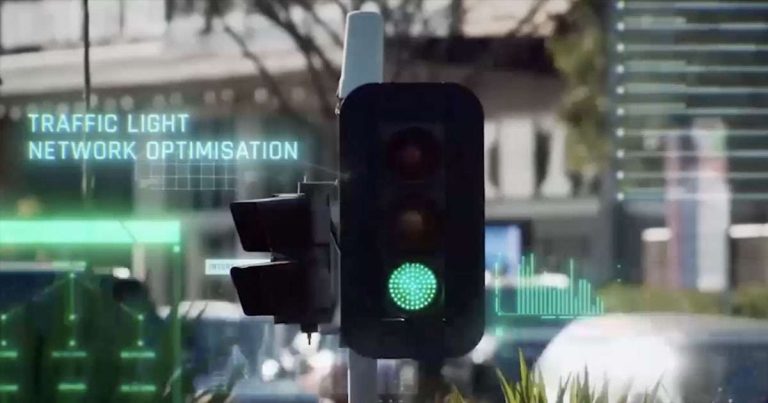
Modern traffic signals are no longer standalone systems. They are integrated into broader Intelligent Transport Systems (ITS) networks.
This includes:
- Vehicle detection systems
- Traffic monitoring cameras
- Real-time data communication
- Smart intersection technology
ITS integration improves traffic flow, enhances safety and supports future smart city initiatives.
Why Coordination Between Civil and Electrical Matters
1. Project Efficiency
Proper coordination between civil and electrical teams reduces delays and avoids rework.
2. Compliance with Standards
All traffic signal installations must meet VicRoads / DTP specifications, requiring close alignment between disciplines.
3. Long-Term Reliability
Poor coordination can result in damaged cables, water ingress or system faults — impacting long-term performance.
4. Safety Outcomes
Accurate installation ensures signals function correctly, reducing risk for all road users.
Common Challenges in Traffic Signal Installation
Traffic signal projects often involve complex environments and constraints, such as:
- Live traffic conditions
- Underground utilities
- Tight urban spaces
- Integration with existing infrastructure
- Weather and environmental factors
Experienced contractors are essential to managing these challenges effectively.
Choosing the Right Traffic Signal Contractor
Selecting the right contractor is critical to the success of any traffic signal project.
Look for:
- Proven experience in traffic signal installation
- Combined civil and electrical capabilities
- Knowledge of local standards and compliance
- Ability to deliver ITS infrastructure
- Strong safety record
A contractor who can deliver all aspects under one scope provides better coordination and efficiency.
How PROCons Delivers Traffic Signal Installations
At PROCons, we provide end-to-end traffic signal installation services across Melbourne and regional Victoria.
Our services include:
- Civil construction (pits, conduits, foundations)
- Electrical installation and commissioning
- ITS infrastructure integration
- Traffic signal upgrades and new intersections
By combining civil and electrical expertise, we deliver reliable, compliant and high-performance traffic signal systems.
The Future of Traffic Signal Installation
As Melbourne’s infrastructure continues to grow, traffic signal installation is evolving with new technology.
Key trends include:
- Smart and adaptive traffic signals
- Greater ITS integration
- Connected transport systems
- Data-driven traffic management
These advancements are shaping the future of road networks across Victoria.
Conclusion
Traffic signal installation in Melbourne requires a high level of expertise across civil, electrical and ITS disciplines. By choosing experienced contractors and ensuring proper coordination, projects can be delivered safely, efficiently and to a high standard.
As transport systems become more advanced, integrated installation approaches will continue to play a key role in building reliable and future-ready infrastructure.
Traffic Signal Contractors | Installation Maintenance Solutions