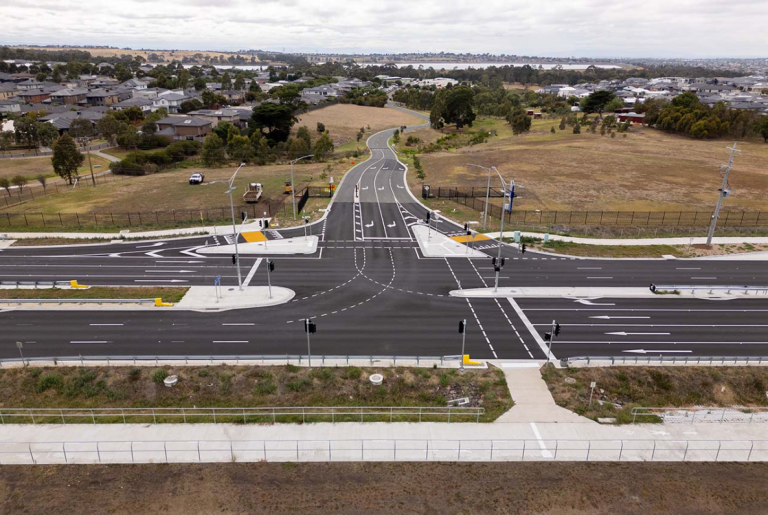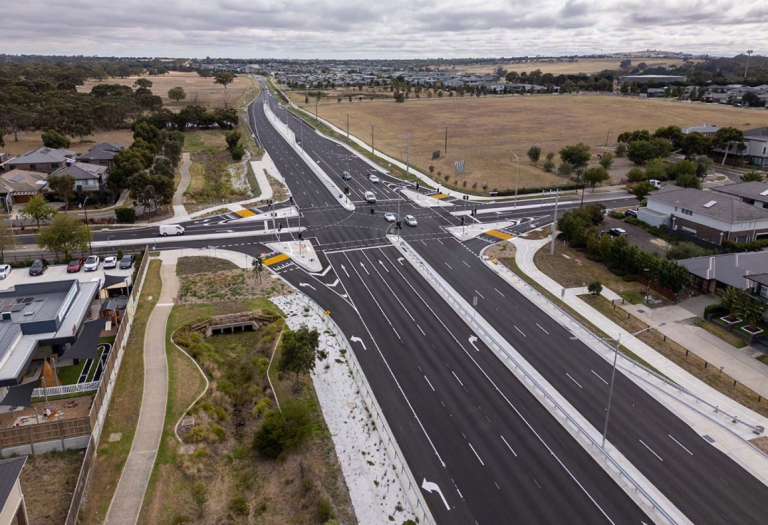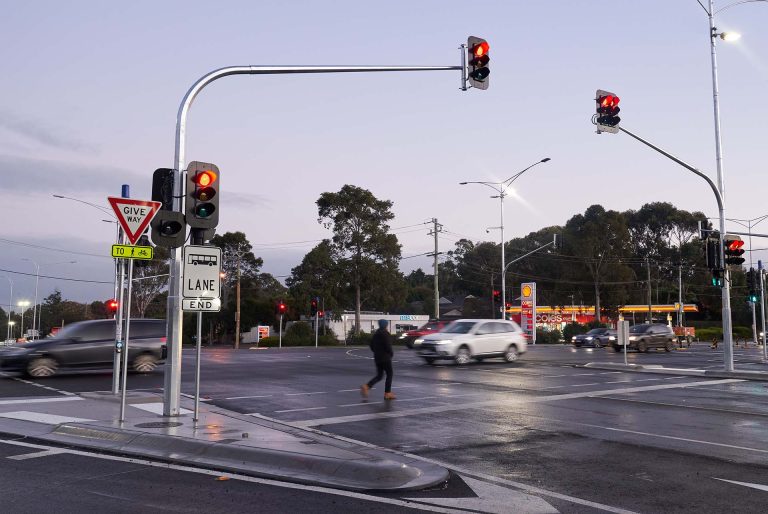
This article breaks down how modern traffic signals operate and why they are such an important part of urban infrastructure.
The Purpose of Traffic Signals
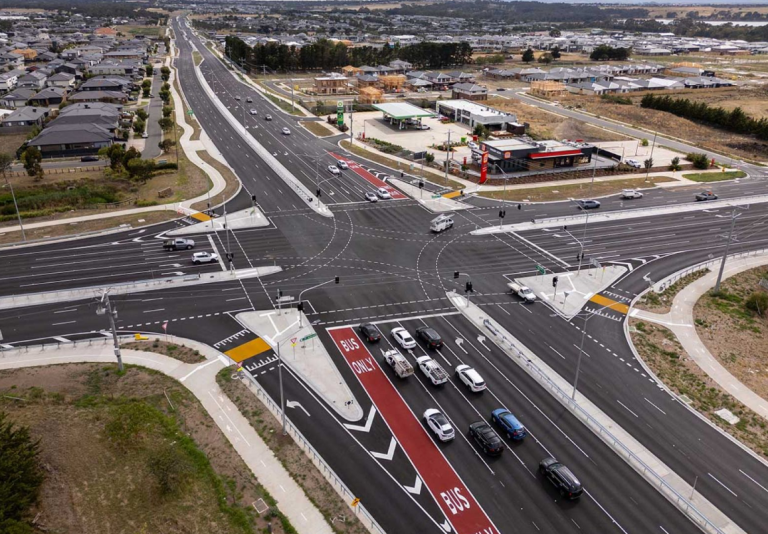
Traffic signals are designed to manage competing traffic movements at intersections and pedestrian crossings. Their primary goals are to:
- Reduce crashes and conflict points
- Allocate fair crossing opportunities for vehicles, cyclists, and pedestrians
- Improve traffic efficiency and reduce congestion
- Enhance safety for all road users
When properly designed and maintained, signalised intersections can significantly reduce injury-related crashes compared with uncontrolled intersections.
Vehicle Detection Systems
One of the biggest misconceptions about traffic lights is that they simply run on a fixed timer. In reality, most modern systems respond to real-time traffic demand.
Inductive Loop Detectors
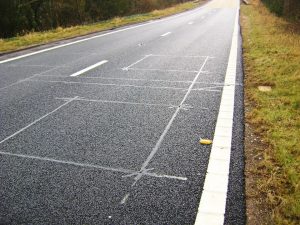
The most common detection method involves inductive loops embedded just beneath the road surface near the stop line. These loops detect the presence of vehicles by sensing changes in electromagnetic fields caused by metal objects.
Using this data, the system can determine:
- Whether vehicles are waiting
- How many vehicles are approaching or queued
- Which traffic movements need a green signal
- How long the green phase should last
You can often spot these detectors by the rectangular outlines cut into the road surface.
Why Detection Matters
Detection allows traffic signals to adapt throughout the day—handling peak-hour congestion differently from late-night traffic, instead of forcing every driver to wait through unnecessary red lights.
Traffic Signal Controllers: The Control Centre
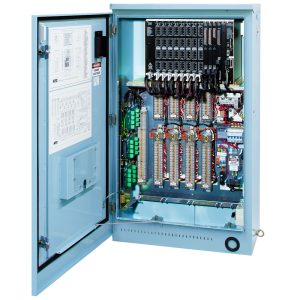
Every signalised intersection has a traffic signal controller, usually housed in a roadside cabinet nearby. This controller acts as the brain of the system.
The controller:
- Receives data from vehicle and pedestrian detectors
- Executes programmed signal sequences
- Adjusts timings dynamically based on demand
- Ensures safety rules are always followed
Even if communication with a central traffic management system is lost, the local controller can continue running the intersection safely on its own.
Pedestrian Push Buttons
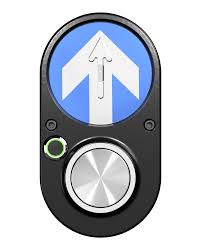
Pedestrian push buttons allow people to request a safe crossing at signalised intersections. When pressed, the button sends a request to the traffic signal controller, which then includes a pedestrian crossing phase at the next safe point in the signal cycle. These buttons often feature audible and vibrating indicators to assist people with vision or hearing impairments. At some locations, push buttons work alongside pedestrian detection sensors, allowing the system to adjust crossing times to suit pedestrian speed while minimising unnecessary delays for vehicles.
Link to Traffic Signals / Electrical Services
Traffic Signal Contractors | Installation Maintenance Solutions
Traffic Signal Installation in Melbourne: Civil and Electrical Works Explained