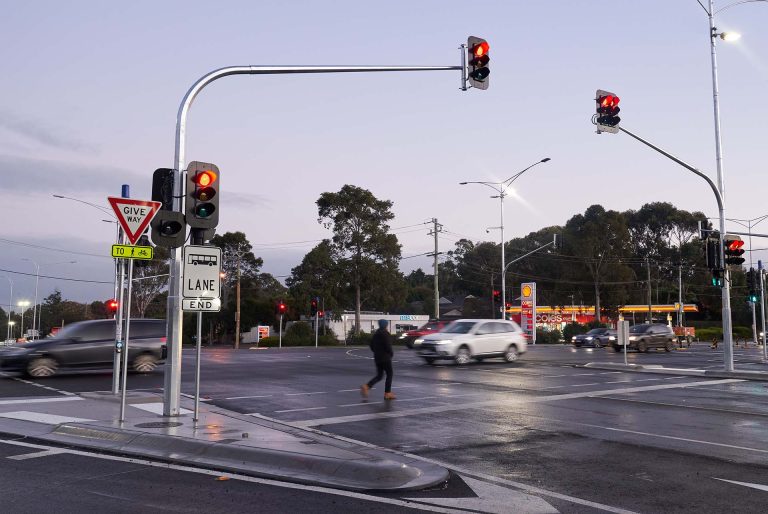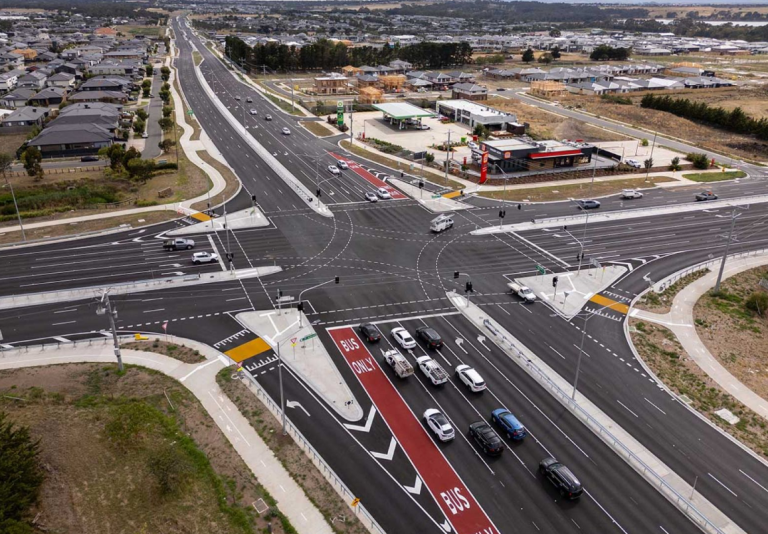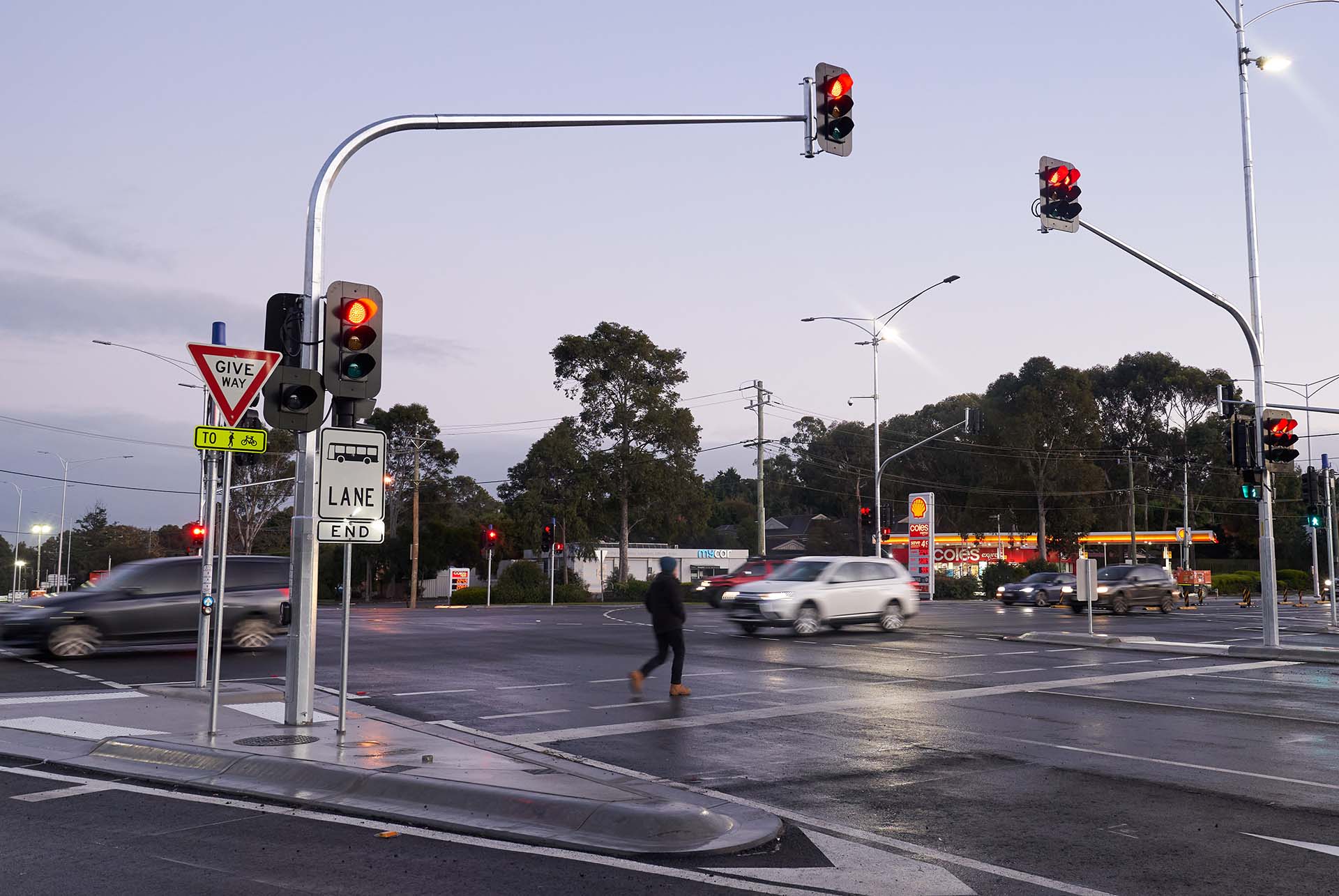
Traffic signals are one of the most critical components of Victoria’s road network. Whether it’s a new intersection, a subdivision, a road upgrade or a major infrastructure project, installing traffic signals requires a combination of civil construction, electrical expertise, ITS technology and strict compliance with VicRoads/DoT standards.
As a Melbourne‑based traffic signal contractor, PROCons delivers end‑to‑end traffic signal and ITS installations across Victoria. This guide explains exactly how the process works — and what councils, developers and civil contractors need to know before starting a project.
1. Planning & Design
Every traffic signal project begins with detailed design and approval from the Department of Transport (DoT). This includes:
- Intersection layout
- Pole locations
- Lantern configuration
- Conduit and pit layout
- Controller type and location
- ITS requirements (cameras, detection, DMS)
- Power supply and communications
Once approved, construction can begin.
2. Civil Works & Foundations
Civil construction forms the backbone of the installation. PROCons manages:
- Excavation and trenching
- Directional drilling for conduits
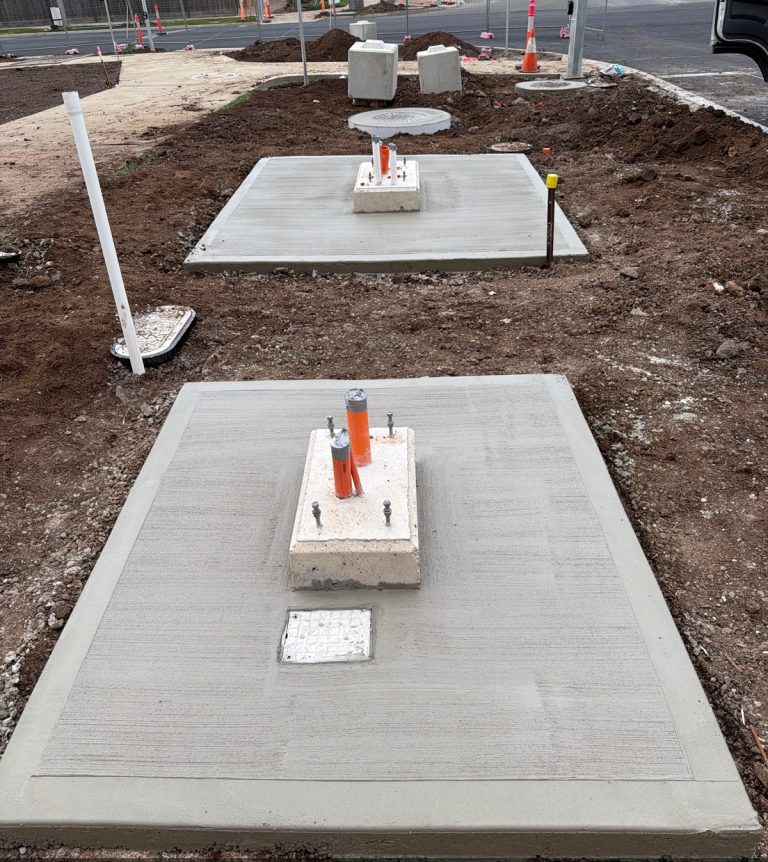
- Pit installation
- Footings and foundations for poles
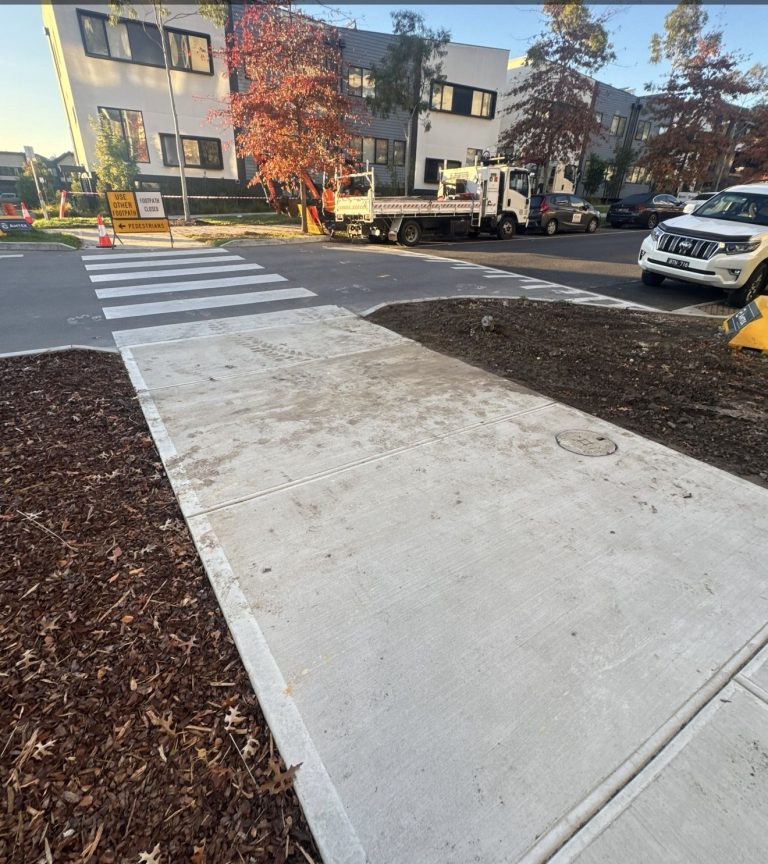
- Reinstatement of pavements and footpaths
These works create the underground network that supports the entire traffic signal system.
3. Conduit & Cabling Installation
Next, conduits and pits are installed to house the electrical and communication cables. This includes:
- Power conduits
- Signal wiring conduits
- Fibre and communication pathways
- Interconnection between pits and controller
Proper conduit installation ensures long‑term reliability and easy maintenance.
4. Pole & Lantern Installation
Once foundations cure, poles and lanterns are installed:
- Traffic signal poles
- Pedestrian poles
- Lanterns and signal heads
- Push buttons and tactile indicators
Each component must be installed to exact height, angle and alignment specifications.
5. Electrical Wiring & Terminations
Electrical work is one of the most critical stages. PROCons handles:
- Power supply installation
- Cable pulling and wiring
- Terminations in pits and poles
- Controller wiring
- Communications and fibre connections
All electrical work must comply with VESI and DoT standards.
6. Controller Installation & ITS Integration
The controller is the “brain” of the intersection. Our technicians install:
- Traffic signal controller
- Vehicle detection systems
- Traffic monitoring cameras
- Dynamic message signs (DMS)
- Smart intersection technology
- Communications to the traffic management centre
This ensures the intersection operates safely and efficiently.
7. Testing, Commissioning & Handover
Before the intersection goes live, PROCons completes:
- Electrical testing
- Signal phasing checks
- Detection verification
- Safety inspections
- Documentation and ITPs
- Final commissioning with DoT
Only after all checks are passed can the signals be switched on.
Why Choose PROCons for Traffic Signal Installation?
- Full civil + electrical capability
- VicRoads/DoT compliant installations
- ITS‑ready infrastructure
- Skilled technicians and electricians
- Reliable delivery for councils, developers and civil contractors
- Strong safety and documentation culture
Need Traffic Signal Contractors in Melbourne?
PROCons delivers safe, compliant and efficient traffic signal and ITS installations across Victoria.
Contact us today to discuss your project.
https://procons.com.au/traffic-signals-its/