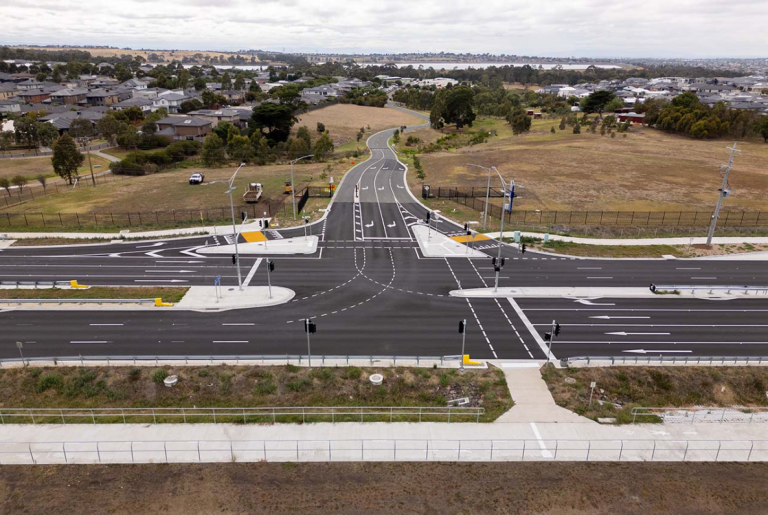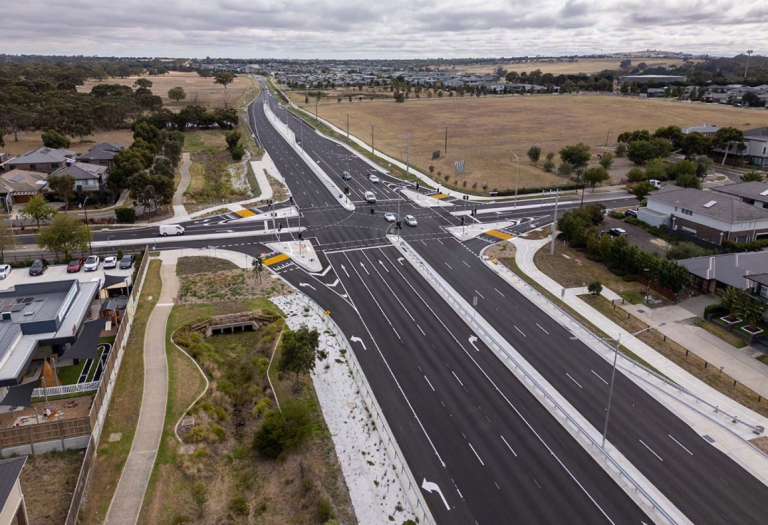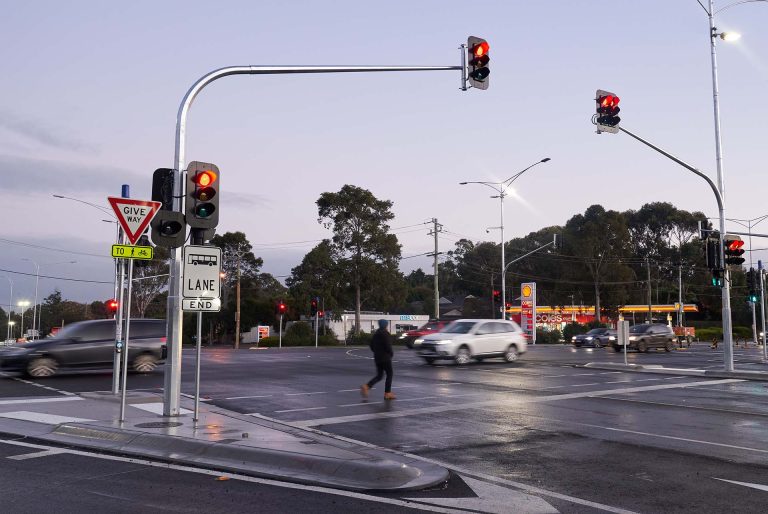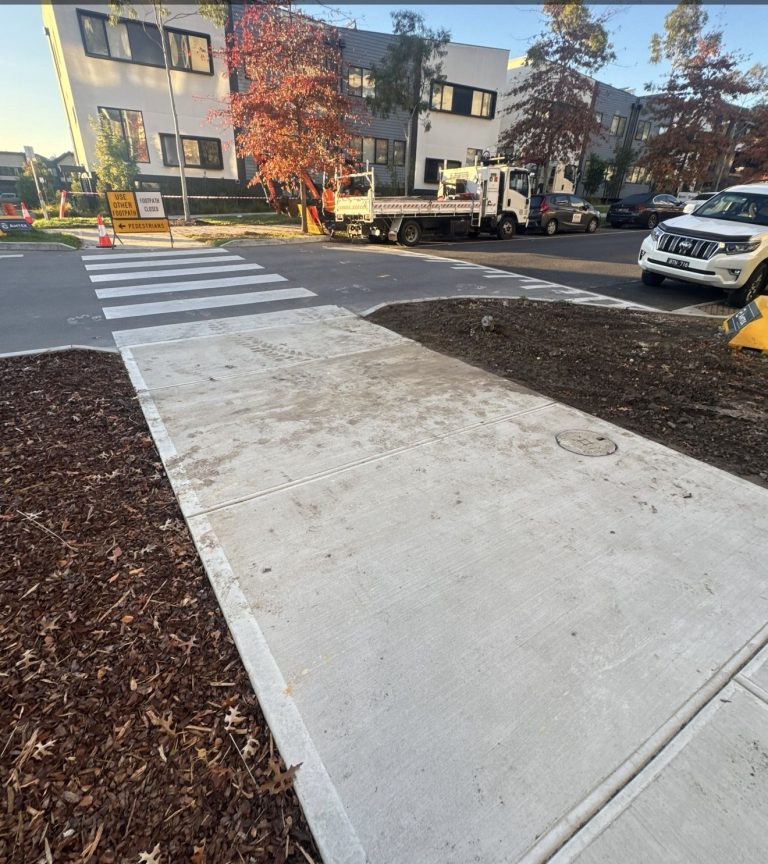
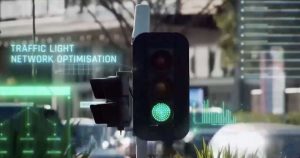
Melbourne’s road network is evolving rapidly. With increasing population growth, rising traffic volumes and greater demand for efficient transport systems, traditional traffic signal systems are no longer enough. Today, smart traffic signals and adaptive intersection technology are playing a key role in improving traffic flow, safety and overall network performance.
For councils, developers and civil contractors across Victoria, understanding how these systems work — and how they’re installed — is becoming more important than ever.
What Are Smart Traffic Signals?
Smart traffic signals use real-time data, sensors and advanced controllers to adjust signal timings dynamically based on actual traffic conditions. Unlike traditional fixed-time signals, these systems can:- Detect vehicle queues and adjust green time
- Prioritise public transport or freight vehicles
- Reduce unnecessary delays during off-peak periods
- Improve pedestrian crossing efficiency
- Vehicle detection technologies
- Traffic signal controllers
- Communication networks
- Data-driven optimisation tools
Why Melbourne is Moving Toward Adaptive Signals
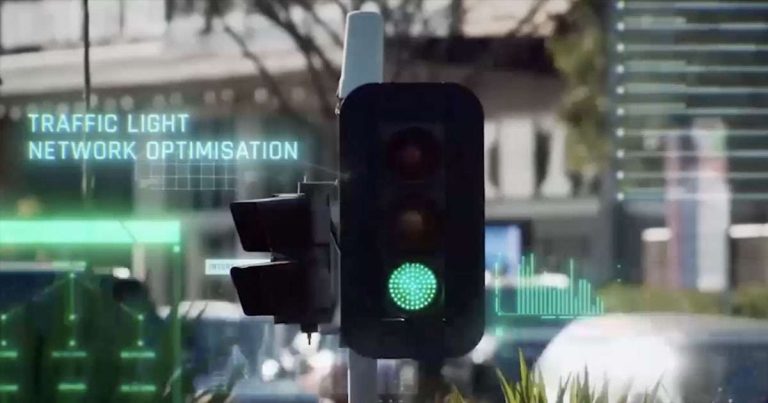
Across Victoria, there is a strong push toward smarter traffic management. Programs like traffic light optimisation initiatives are reviewing and upgrading signal systems across Melbourne to improve efficiency and reduce congestion. With the installation of cameras, sensors and real-time monitoring systems, traffic engineers now have better visibility of how intersections perform — enabling faster and more frequent adjustments than ever before. This shift is driven by:- Population growth and increased road demand
- The need to reduce congestion and travel times
- Safety improvements for pedestrians and cyclists
- Integration with broader smart city infrastructure
Key Benefits of Smart Traffic Signals
1. Improved Traffic Flow
Adaptive systems minimise waiting times by allocating green signals where demand is highest, helping reduce congestion across arterial roads.2. Enhanced Safety
By responding to real-time conditions, smart signals reduce conflict points between vehicles, pedestrians and cyclists — especially during peak periods.3. Environmental Benefits
Reducing idle time at intersections lowers fuel consumption and carbon emissions, supporting sustainability goals.4. Better Network Coordination
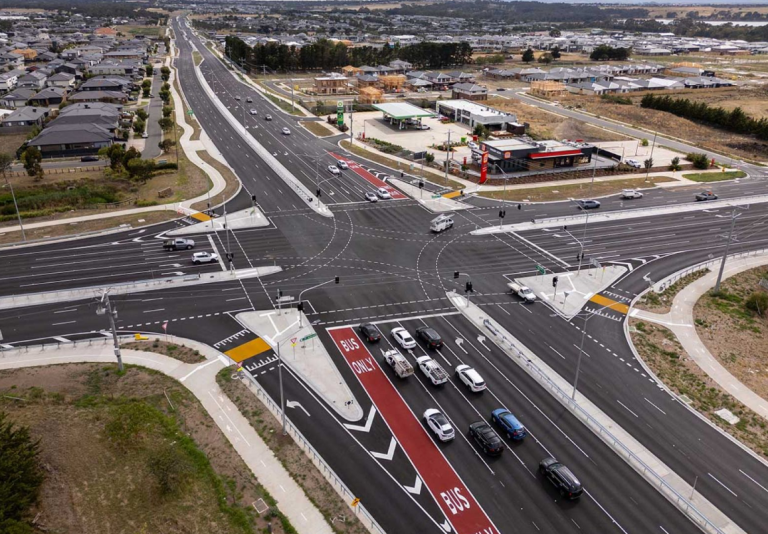
Smart intersections can communicate with each other, creating coordinated corridors that keep traffic moving smoothly across multiple signals.The Role of ITS Infrastructure
Smart traffic signals are part of a broader Intelligent Transport System (ITS) network. These systems rely on:- Traffic monitoring cameras
- Vehicle detection sensors
- Communication and fibre networks
- Dynamic messaging and data systems
What This Means for Projects in Victoria
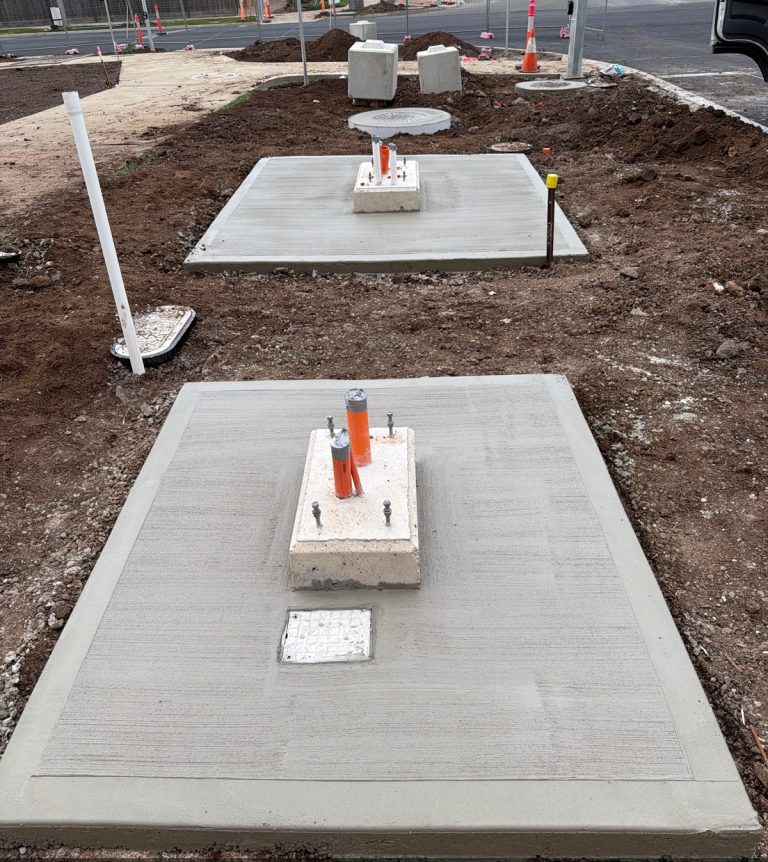
For developers and contractors, smart traffic signals add a new level of complexity to intersection projects. Installation now requires:- Precision civil works (pits, conduits, foundations)
- Advanced electrical integration
- Controller configuration and commissioning
- ITS system installation and communication setup
How PROCons Supports Smart Traffic Signal Delivery
At PROCons, we specialise in delivering end-to-end traffic signal and ITS infrastructure across Melbourne and regional Victoria. Our capabilities include:- Traffic signal installation and upgrades
- Civil works including trenching, pits and conduit systems
- Electrical wiring, terminations and commissioning
- ITS infrastructure including sensors, cameras and communication systems
The Future of Traffic Signals in Melbourne
Looking ahead, the next generation of traffic signals will continue to evolve with:- AI-driven traffic optimisation
- Connected vehicle integration
- Smart corridor and network-wide coordination
- Increased use of real-time data analytics